How to Incorporate More Vegetables into Your Paleo Diet
There’s no denying the importance of vegetables in a Paleo diet – they provide vital nutrients and fiber that your body needs to thrive. If you’re looking to increase your veggie intake but find yourself stuck in a rut, fear not! In this blog post, we will share practical tips and tricks to help you incorporate more vegetables into your meals without sacrificing flavor or convenience. By following these simple suggestions, you’ll be on your way to enjoying a more balanced and nutritious Paleo diet in no time.
Tips for Veggie Variety
Before we examine into specific vegetable options, let’s talk about how to incorporate more variety into your Paleo diet. This is key to ensuring you get a wide range of nutrients and flavors in your meals. Here are some tips to help you increase the variety of vegetables in your diet.
- Try a new vegetable every week. Challenge yourself to pick up a vegetable you’ve never tried before at the store or farmer’s market.
- Experiment with different cooking methods. Roasting, sautéing, grilling, and steaming can all bring out unique flavors in vegetables.
- Shop at local farmers’ markets for seasonal produce. You’ll not only support local farmers but also get the freshest and most flavorful vegetables.
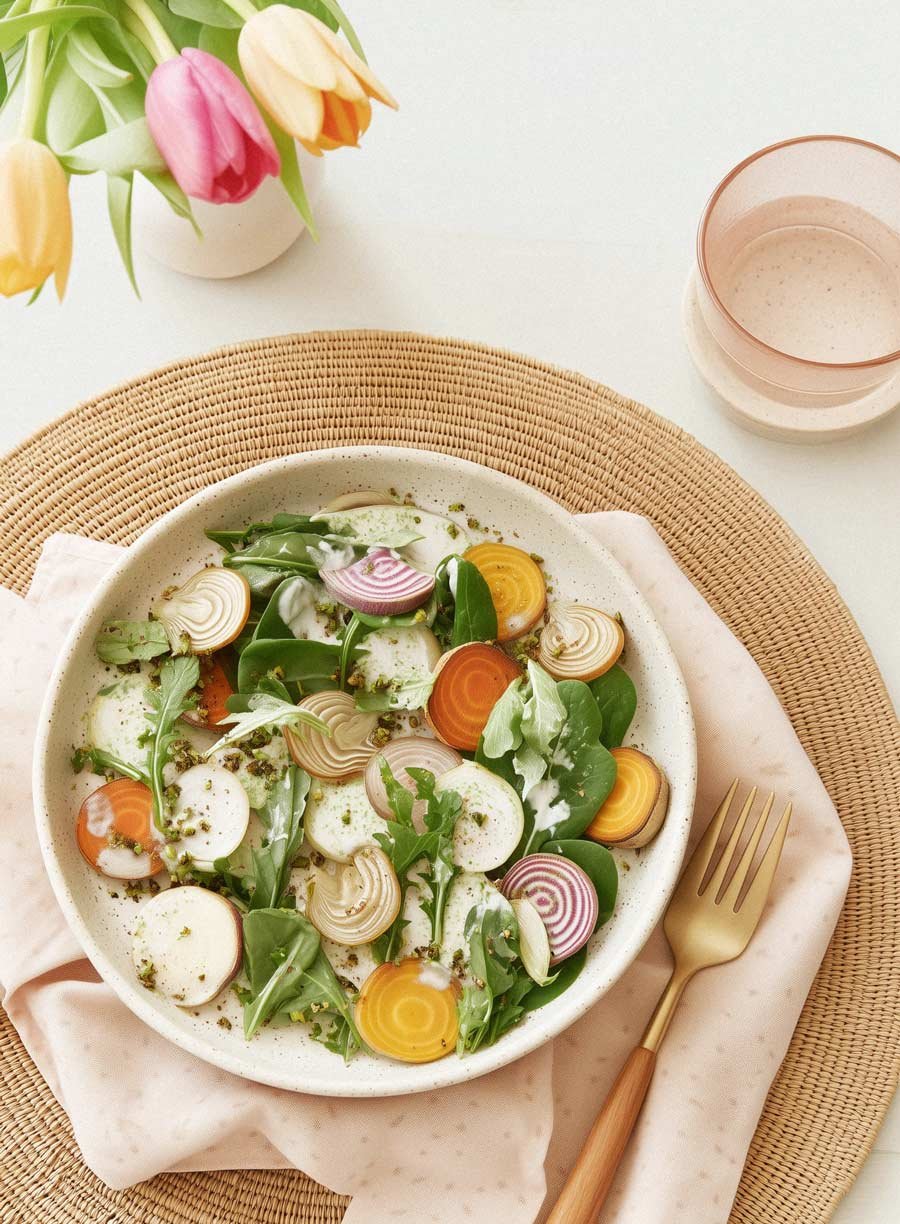
- Get creative with your salads. Mix different types of leafy greens, add colorful veggies, nuts, seeds, and a tasty dressing to create a delicious and nutritious salad.
- Consider growing your vegetables. Even if you only have space for a small herb garden, growing your produce can be a fun way to add variety to your meals.
Recognizing the importance of variety in your diet will help you stay motivated to incorporate more vegetables into your Paleo meals.
Exploring Colorful Options
As far as increasing the variety of vegetables in your diet, exploring colorful options is a great way to add excitement to your meals. Different colored vegetables provide a variety of nutrients, so try to include veggies of all colors in your dishes. For example, red bell peppers are rich in vitamin C, while leafy greens like spinach and kale are packed with iron and other necessary nutrients. By adding a rainbow of vegetables to your plate, you can ensure you’re getting a diverse array of nutrients to support your health.
Seasonal Shopping for Freshness and Flavor
Shopping for vegetables that are in season is not only a great way to support local farmers but also ensures you’re getting the freshest and most flavorful produce. Seasonal vegetables are usually more abundant, which means you may find them at lower prices. Additionally, seasonal produce is at its peak in terms of flavor and nutrient content, making it a delicious and nutritious choice for your Paleo meals. Visit your local farmers’ market or check out the seasonal produce section at your grocery store to discover the best vegetables to include in your diet each season.
How to Prepare Your Vegetables Paleo-Style
You’ve made the commitment to incorporate more vegetables into your Paleo diet, and now it’s time to learn how to prepare them in a way that is both delicious and in line with your dietary preferences. By following some simple guidelines and tips, you can make vegetables the star of your meals and enhance the flavors in a Paleo-friendly manner.
Healthy Cooking Methods
Pertaining to cooking your vegetables, opt for healthy methods that preserve their nutrients and natural flavors. Instead of deep-frying or drowning your veggies in butter, try steaming, sautéing, roasting, or grilling them. These methods help retain the vegetables’ nutritional value while enhancing their taste and texture. Steaming, for example, keeps vegetables crisp and colorful, while roasting brings out their natural sweetness. Experiment with different cooking techniques to find what you enjoy the most, and remember to season with Paleo-approved ingredients like olive oil, sea salt, and herbs.
Flavorful Paleo-Friendly Seasonings
Enhance the taste of your vegetables with flavorful Paleo-friendly seasonings that add depth and complexity to your dishes. Instead of relying on store-bought sauces and condiments that may contain added sugars and preservatives, opt for natural seasonings like garlic, onion, cumin, paprika, and fresh herbs. These ingredients not only provide an aromatic and savory element to your vegetables but also offer numerous health benefits. Experiment with different combinations to create unique and delicious flavor profiles that will keep you excited about eating your veggies. Do not forget, the key is to use fresh, high-quality ingredients to enhance the natural flavors of your vegetables.
Factors to Consider for Veggie-Packed Meals
Now that you’re ready to incorporate more vegetables into your Paleo diet, there are a few factors to consider to ensure your meals are not only delicious but also balanced and fulfilling. By keeping these factors in mind, you can create veggie-packed meals that will leave you feeling satisfied and nourished.
Balancing Macronutrients
When adding more vegetables to your meals, it’s important to consider how they fit into the macronutrient balance of your diet. While vegetables are rich in necessary vitamins and minerals, they are also low in calories and protein. To ensure you’re getting a well-rounded meal, pair your vegetables with protein and healthy fats. For example, you can add grilled chicken or salmon to a salad loaded with leafy greens and other vegetables. This will help you feel full and satisfied after your meal.
Portion Sizes and Meal Planning
As you increase the amount of vegetables in your meals, it’s necessary to pay attention to portion sizes and meal planning. While vegetables are nutrient-dense, they can also be low in calories compared to other foods. Make sure you’re including a variety of veggies in your meals to ensure you’re getting a wide range of nutrients. Additionally, consider planning your meals ahead of time to make sure you have enough vegetables on hand and can easily incorporate them into your daily dishes.
Sneaky Ways to Add More Greens
Unlike what some may think, incorporating more vegetables into your Paleo diet doesn’t have to be a daunting task. There are clever and tasty ways to boost your daily greens intake without feeling like you’re constantly munching on a salad. Here are some sneaky strategies to help you add more vegetables to your meals effortlessly.
Smoothies and Juices with a Paleo Twist
One easy way to sneak in more greens is by blending them into delicious smoothies or juices with a Paleo twist. You can combine leafy greens like spinach, kale, or chard with fruits like berries, bananas, and avocado for a nutrient-packed drink. Add a scoop of Paleo-friendly protein powder or collagen peptides for an extra boost. The sweetness of the fruits will help mask the green flavor, making it a great option for those who are not fans of eating veggies.
Creative Salads and Wraps
Get creative with your salads and wraps to make them more enticing and enjoyable. Instead of the typical lettuce and tomato combo, mix things up by adding a variety of colorful vegetables like bell peppers, cucumbers, shredded carrots, and spiralized zucchini. You can also experiment with different dressings and seasonings to add flavor and pizzazz to your salads. For wraps, use collard green or lettuce leaves as a substitute for tortillas or bread to pack in more leafy greens into your meals.
Conclusion
With these considerations in mind, you can easily incorporate more vegetables into your Paleo diet. Whether you focus on variety, meal prepping, or trying new cooking methods, the key is to make vegetables a central part of your meals. By doing so, you will not only improve the nutritional value of your diet but also discover new flavors and textures to enhance your culinary experience. Note, the goal is to have fun experimenting with different vegetables and recipes while nourishing your body with wholesome, nutrient-dense foods.