Overcoming Challenges When Transitioning to Paleo

When you decide to transition to a Paleo lifestyle, it can be an exciting yet challenging journey. Just like Volkswagen faced obstacles when introducing new EVs to the American market, you may encounter hurdles as you adjust to this new way of eating. From giving up processed foods to navigating social situations, transitioning to Paleo requires determination and perseverance. But fear not, with the right tools and mindset, you can overcome these challenges and thrive on your Paleo journey. So, let’s examine into some common obstacles you might face and how to conquer them effectively.
Getting Started with Paleo
Achieving success with the Paleo lifestyle begins with making some key changes to your diet and pantry. In this chapter, we will guide you through the imperative steps needed to kickstart your Paleo journey.
Understanding the Paleo Diet Basics
When initiateing on the Paleo diet, it’s imperative to understand the fundamentals of what you can and cannot eat. The Paleo diet focuses on consuming whole, unprocessed foods that our ancestors would have eaten, such as lean meats, fish, fruits, vegetables, nuts, and seeds. By ditching processed foods and grains, you are imperatively nourishing your body with nutrient-dense foods that promote overall health and well-being. Remember to prioritize quality protein sources and healthy fats to fuel your body efficiently.
Cleaning Out Your Pantry
To fully commit to the Paleo lifestyle, you must rid your pantry of any non-compliant items. Start by eliminating processed foods, sugary snacks, grains, dairy products, and anything with artificial additives or chemicals. Instead, stock up on Paleo-friendly imperatives like grass-fed meats, wild-caught seafood, organic fruits and veggies, nuts, seeds, and healthy fats like coconut oil and avocado oil. A well-stocked Paleo pantry sets you up for success by making it easier to resist temptations and stick to your dietary goals.
Navigating Social and Lifestyle Changes
Little by little, as you transition to a Paleo lifestyle, you may find that one of the biggest challenges you face is managing social and lifestyle changes. It’s common to feel overwhelmed or unsure of how to integrate your new way of eating into your social life and daily routines. Here are some tips to help you navigate these changes seamlessly.
Eating Out and Social Events
When dining out or attending social events, it can be tricky to stick to your Paleo diet. However, there are ways to make it easier for you. You can research restaurant menus in advance to identify Paleo-friendly options or even call ahead to ask if they can accommodate your dietary needs. When at a social gathering, don’t be afraid to politely explain your dietary choices to your friends or host. Most people are understanding and will appreciate your honesty. You can also offer to bring a dish that aligns with your Paleo lifestyle to share with others.
Incorporating Exercise and Movement
Adding exercise and movement into your Paleo transition is not just about losing weight but improving your overall health and well-being. You can start by finding activities that you enjoy, whether it’s hiking, dancing, yoga, or weightlifting. Incorporating regular exercise doesn’t have to be daunting – even small changes like taking the stairs instead of the elevator or going for a brisk walk after dinner can make a difference. Do not forget, the key is to move your body in a way that makes you feel good and is sustainable for the long term.
Meal Planning and Preparation
For many people, one of the biggest challenges when transitioning to a paleo diet is meal planning and preparation. Planning your meals in advance can help you stay on track and ensure you have delicious and nutritious options readily available.
Shopping for Paleo-Friendly Foods
When you’re shopping for paleo-friendly foods, focus on the perimeter of the grocery store where you’ll find fresh produce, meat, and seafood. Fill your cart with a variety of colorful fruits and vegetables, lean proteins like chicken and fish, and healthy fats such as avocado and nuts. Be sure to read labels carefully, as many processed foods contain hidden sugars and additives that are not paleo-friendly.
Quick and Easy Paleo Recipes for Busy Lives
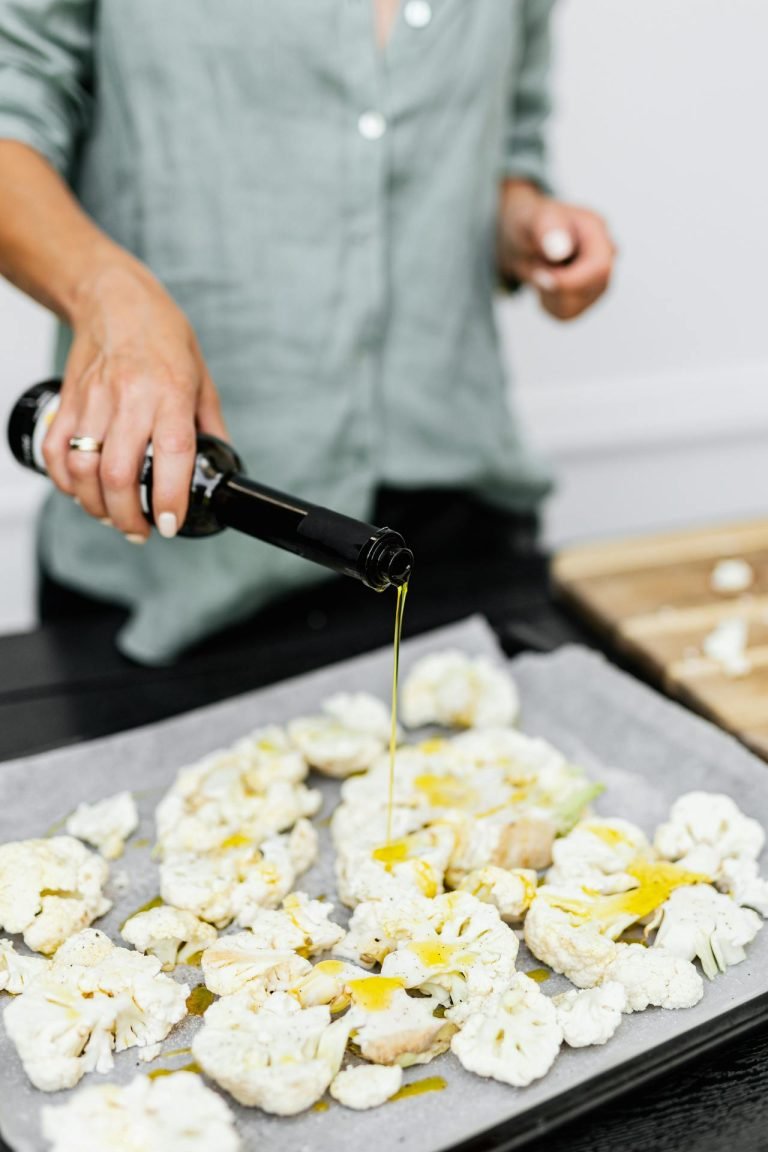
If you have a busy schedule, finding time to cook paleo meals can be a challenge. To make your life easier, try preparing simple recipes that can be made in advance and reheated throughout the week. One-pan meals, like sheet pan chicken with roasted vegetables or stir-fry with cauliflower rice, are quick to make and require minimal clean-up. Investing in a slow cooker or Instant Pot can also save you time in the kitchen, allowing you to enjoy delicious paleo meals with minimal effort.
Staying Motivated and Dealing with Setbacks
Now that you’ve decided to transition to a paleo lifestyle, it’s important to stay motivated and be prepared for setbacks along the way. Making such a significant change to your diet and lifestyle can come with its challenges, but with the right mindset and support system, you can overcome these obstacles and stay on track.
Creating a Support System
When initiateing on a new journey like transitioning to a paleo diet, having a support system in place can make all the difference. Surround yourself with people who understand and encourage your choice to eat paleo. This could mean involving your family, friends, or even finding a community online that shares your goals. Having others to lean on for advice, recipes, and motivation can help keep you on track when the going gets tough.
Adjusting Your Mindset for Long-Term Success
Transitioning to a paleo diet is not just about the food you eat – it’s also about your mindset. To ensure long-term success, you may need to shift your thinking and approach to food. Instead of focusing on what you can’t eat, try to see this as an opportunity to explore new foods and recipes. Embrace the journey and be open to the positive changes it can bring to your health and well-being.
Summing up
The key to successfully overcoming challenges when transitioning to Paleo is to approach it with an open mind and a willingness to learn. By understanding the principles of the Paleo diet, listening to your body, and being patient with yourself as you make adjustments, you can navigate any obstacles that come your way. Be mindful of, transitioning to a new way of eating takes time and practice, so be kind to yourself throughout the process. With dedication and perseverance, you can successfully make the switch to Paleo and enjoy all the benefits it has to offer.